
waslwChimney Services » Chimney & Fireplace Services » Chimney & Fireplace Repairs »
Chicagoland Home & Chimney Masonry Restoration Services: Enjoy Stronger, More Beautiful Brickwork With Leonard & Sons
Is aging masonry taking away from your home’s curb appeal or leaving your fireplace unsafe for use? Whether it’s a crumbling chimney stack in Algonquin, a cracked fireplace surround in Crystal Lake, or damaged exterior brick in Woodstock, weather and wear take a heavy toll on your home’s stonework. We specialize in comprehensive home masonry repair, chimney restoration, and precision tuckpointing to make your home’s structure beautiful and weather-tight.
Questions for our masonry experts? Call or reach out online today – we’re here to help.
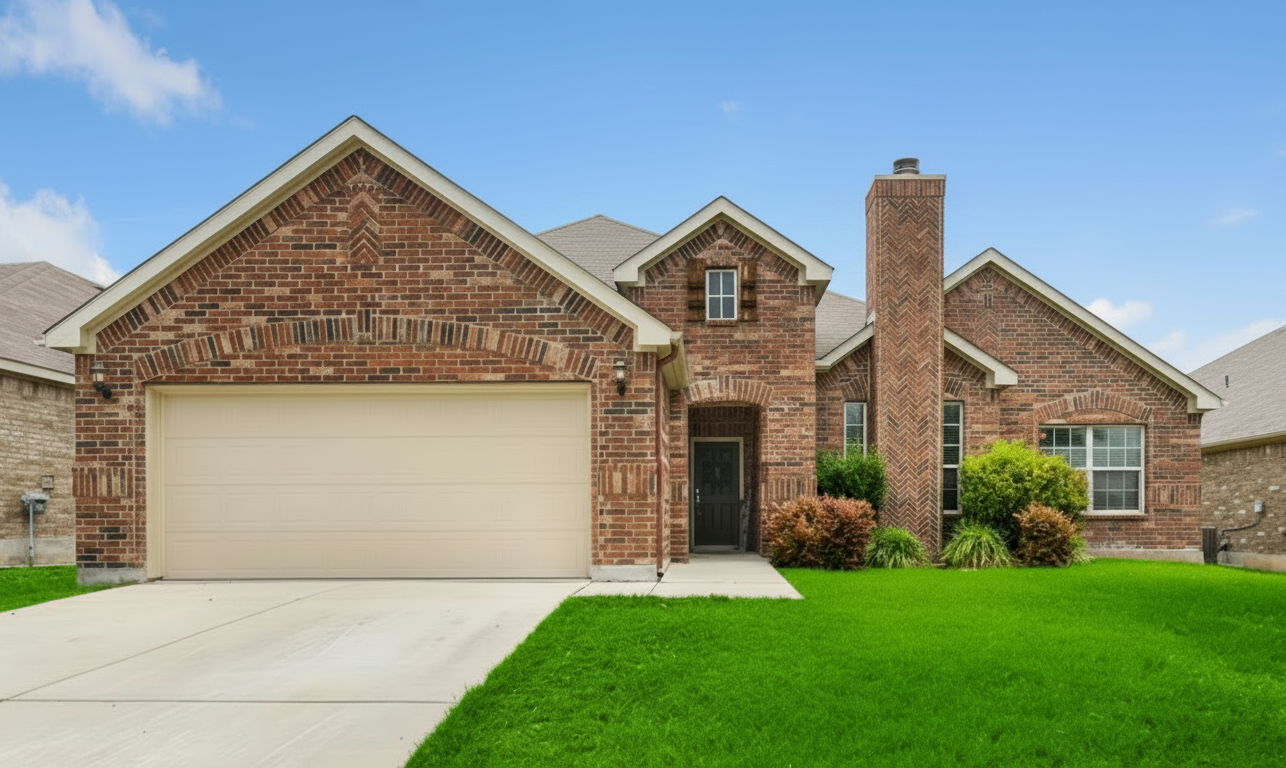
What Are Common Home & Chimney Masonry Issues?
Weathering, moisture, and aging mortar don’t just damage your chimney – they impact your home’s exterior walls, steps, and fireplace structures as well. Here are the most common home and chimney masonry problems we repair:
- Cracked Bricks & Mortar: Small fissures on exterior walls or chimney stacks that let water seep deep into your home’s structure.
- Crumbling or Receding Mortar: Decayed mortar joints that weaken load-bearing brickwork and compromise structural stability.
- Spalling Bricks: Bricks with faces that are flaking, chipping, or popping off due to trapped moisture freezing and expanding.
- Water Damage & Discoloration: Dark staining, moss, or algae growth caused by improper drainage or leaky chimney flashings.
- Efflorescence: White, powdery salt deposits left on exposed brick walls and chimneys as trapped moisture evaporates.
- Vegetation Growth: Roots and vines wedging into joints, pulling mortar apart, and creating pathways for water infiltration.
- Firebox & Surround Decay: Cracked firebrick lining or deteriorating fireplace surrounds inside the home that pose fire and safety risks.
How Do Professionals Resolve Masonry Damages?
Whatever type of damage you have, we have the skills, techniques, and tools to provide beautiful and effective restoration work. Most often, we’ll be able to resolve masonry damage for our Chicagoland customers with either tuckpointing or brick replacement services. That said, if a full chimney rebuild is in order, we can help with that too.
- Tuckpointing: The mortar joints that rest between the brick of your exterior walls, fireplace, or chimney are designed to provide structural support. Unfortunately, holes, cracks, age, and moisture damage can cause this mortar to recede or deteriorate, which can then compromise the look and longevity of the home or chimney structure. If receding or damaged mortar joints are the problem, our expert tuckpointing services are the answer. During this restoration process, we’ll grind out the damaged mortar and color match fresh mortar to go in its place. With Leonard & Sons performing the work, you can expect clean, attractive results that strengthen and enhance your fireplace and chimney.
- Brick Replacement: We tend to think of bricks as impervious to damage, but they’re not. Moisture, vegetation growth, cracks, holes, efflorescence, freeze/thaw cycles, and popping facing can all leave brick structurally compromised and unattractive looking. If your brick is in need of replacement, we can help. We carefully select brick that matches the brick used in the construction of your fireplace and chimney, so that the results are strong, long lasting, and beautiful.
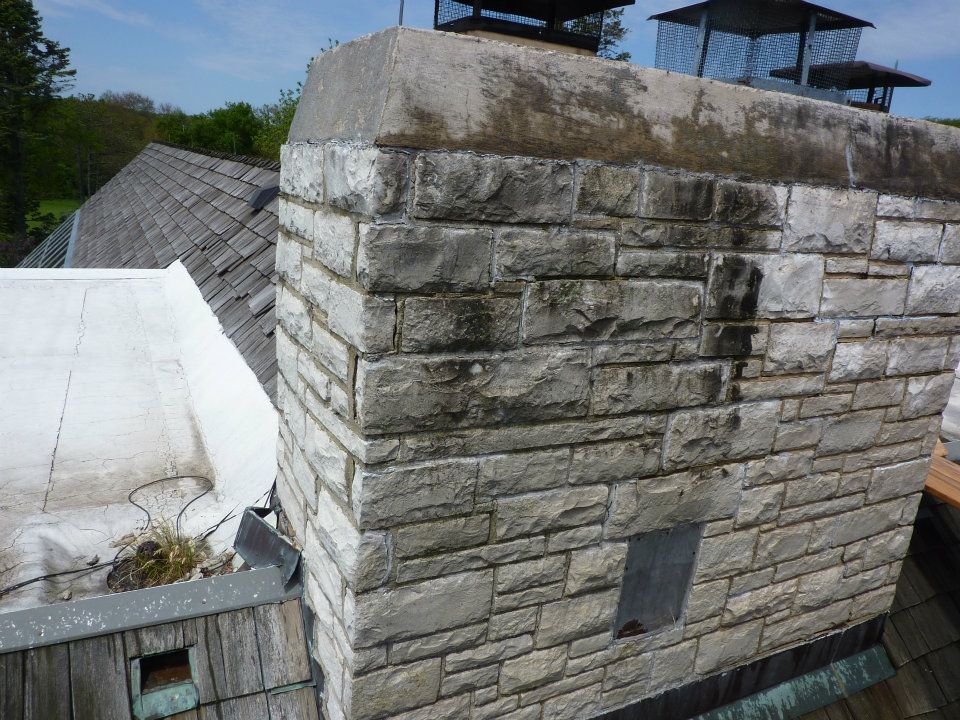
Before Restoration
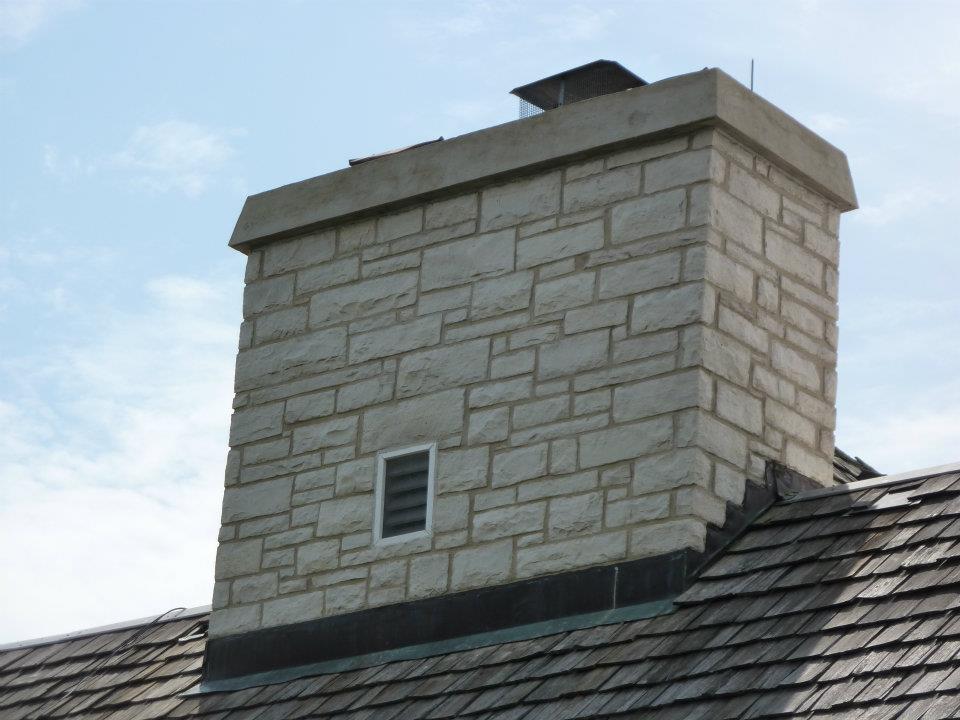
After Restoration
Why Does Masonry Deteriorate?
Masonry is one of the most durable building materials available – many brick structures have stood for over a century. But durable does not mean indestructible. Masonry is constantly subjected to weather, moisture, temperature extremes, and physical stress. Over time, these forces take a toll.
Water & Moisture Intrusion
Water is, without question, the single greatest enemy of masonry. When moisture finds its way into brick, stone, or mortar – through cracks, open joints, failed flashing, or a compromised chimney crown – it begins to break down those materials from the inside. In the Chicago area, this process is dramatically accelerated by our climate.
Here’s why: when water soaks into masonry and then temperatures drop below freezing, that water expands as it turns to ice. This expansion exerts enormous pressure on the surrounding material – pressure that brick, stone, and mortar were not designed to absorb indefinitely. Over dozens or even hundreds of freeze-thaw cycles across a single winter, this process causes:
- Spalling: The face of bricks or stones cracking, flaking, and breaking away
- Mortar joint failure: Crumbling, cracking, and receding joints that allow even more water in
- Internal cracking: Fractures within masonry units that aren’t always visible on the surface at first
- Efflorescence: White, chalky mineral deposits left behind as water moves through masonry and evaporates on the surface
The longer water intrusion goes unaddressed, the more aggressively freeze-thaw cycles work against your masonry. What begins as a hairline crack can become a structural issue within just a few seasons in our climate.
Mortar Joint Deterioration
Mortar is actually designed to be the weakest link in a masonry assembly – intentionally so. It acts as a sacrificial material, absorbing the stress and movement that would otherwise crack the bricks or stones themselves. Over time, mortar wears down, and that’s expected. What’s not acceptable is allowing deteriorated mortar joints to go unaddressed.
Most mortar joints begin showing significant wear after 20 to 30 years. As mortar recedes, gaps open between bricks and stones that allow water to enter the wall system directly. This moisture then works its way deeper into the structure, potentially reaching interior wall systems, framing, and even foundation elements. Tuckpointing those joints in a timely manner is one of the most cost-effective things a homeowner can do to protect their masonry long-term.
Age & Cumulative Wear
Many homes in the Northwest Chicagoland area were built in the mid-20th century – some even earlier. The original masonry on these homes has been exposed to 50, 60, 70 or more years of harsh Midwest winters, hot summers, and everything in between. Even masonry that was built well and has held up admirably will eventually need professional attention. This isn’t a sign of failure – it’s simply the reality of a durable but natural material aging over time.
Foundation Settlement & Structural Movement
All homes shift and settle to some degree as the soil beneath them compacts and adjusts over the years. This movement creates stress concentrations in masonry structures, often resulting in characteristic cracking patterns.
Improper Previous Repairs
This is one of the most frustrating – and unfortunately common – causes of ongoing masonry problems. Well-intentioned but incorrect repairs can accelerate deterioration rather than stop it. Specific examples include:
- Using a mortar that is too hard for the existing brick, which forces stress into the masonry units themselves and causes them to crack
- Applying waterproofing sealers that trap moisture inside the wall rather than allowing it to breathe out, leading to accelerated internal deterioration
- Making surface-only cosmetic repairs without addressing the source of water intrusion or structural movement
- Using mismatched materials that don’t bond properly with existing masonry, leading to early joint failure
This is precisely why it’s so important to work with experienced professionals who understand masonry systems – not just someone who can mix mortar and fill a gap.
What Are the Signs That My Masonry Needs Restoration?
One of the challenges with masonry deterioration is that the most serious damage often develops gradually and out of sight – on rooftops, behind wall systems, or within the masonry itself. By the time damage becomes obvious to the naked eye, it has frequently been progressing for months or years. Knowing what to look for can help you catch problems early, when repairs are simpler and far less costly.
- Mortar that is visibly cracked, crumbling, or powdery
- Gaps or voids where mortar has fallen out entirely
- Spalling – the surface of bricks or stones is chipping, flaking, or breaking away in pieces.
- Cracks running through bricks or stones themselves, rather than just along mortar joints
- Bricks that appear darker, softer, or more porous than surrounding bricks – a sign of advanced water absorption
- Bowing, bulging, or leaning sections of an exterior wall or chimney
- Efflorescence – white or gray chalky deposits on the surface of brick or stone.
- Staining, discoloration, or peeling paint on interior walls adjacent to exterior masonry
- A musty or damp odor near exterior walls or in basement spaces adjacent to masonry foundations
- Moisture or water staining in your basement near brick or stone foundation walls
- Water dripping into your firebox or staining on the ceiling near your chimney after rainfall
What Is the Difference Between a Restoration & a Rebuild?
Understanding the distinction between masonry restoration and masonry rebuilding is important – both in terms of what the work involves and what it will cost. These are fundamentally different scopes of work, and the right approach depends entirely on the current condition of your masonry.
Masonry Restoration
Restoration is the appropriate path when the underlying structure is still sound but the surface, mortar joints, or individual masonry units have deteriorated to the point where they need professional attention. Restoration preserves and repairs what is there rather than replacing it. Common restoration services include:
- Tuckpointing and repointing mortar joints
- Individual brick or stone replacement where units have cracked or spalled beyond repair
- Crack repair and masonry stitching for structural cracks
- Chimney crown repair or replacement
- Chimney cap replacement
- Flashing repair and resetting
- Professional cleaning to remove staining, efflorescence, or biological growth
- Application of appropriate breathable sealers
Restoration is generally less disruptive, less time-consuming, and significantly less expensive than rebuilding, which is exactly why addressing masonry problems promptly is so important. The sooner restoration is performed, the less likely the structure is to deteriorate to the point where rebuilding becomes necessary.
Masonry Rebuilding
Rebuilding becomes necessary when a section of masonry has deteriorated beyond the point where restoration can adequately address the damage — when the structure is no longer safe or stable, and restoration alone cannot return it to a serviceable condition. Rebuilding involves dismantling the affected section and reconstructing it from the ground up using new materials.
Common scenarios where rebuilding is necessary include:
- Chimney rebuilds above the roofline – when years of water intrusion and freeze-thaw damage have left the upper section of a chimney structurally compromised and unable to be salvaged through repointing alone
- Severely bowed or bulging wall sections – when the wall has moved beyond the point where it can be stabilized without reconstruction
- Significant foundation repairs – when major sections of a block or stone foundation have failed structurally
- Full stoop, step, or retaining wall replacement – when settlement or deterioration has compromised the entire structure rather than isolated sections
It’s worth noting that rebuilding is almost always the result of problems that went unaddressed for too long. Regular inspection and timely restoration work is the most reliable way to avoid the disruption and expense of a full rebuild.
How Do I Maintain My Masonry After Restoration?
After investing in professional masonry restoration, a little ongoing attention and a few good habits can go a long way toward protecting that investment and keeping your masonry in excellent condition for years to come.
- Schedule annual chimney inspections. Annual inspections by our CSIA-certified technicians are the single most effective tool for staying ahead of masonry and chimney problems. A trained eye will catch small issues before they develop into something that requires significant restoration or rebuilding.
- Keep gutters clean and properly directed. Clogged or misdirected gutters are one of the most overlooked contributors to masonry deterioration. When gutters overflow, water cascades directly down the face of masonry walls and into the soil around foundations – exactly where you don’t want it.
- Avoid harsh chemical deicers on masonry surfaces. Many commonly available ice-melting products can be damaging to brick, stone, and mortar when applied repeatedly. These chemicals draw moisture into masonry surfaces and can accelerate spalling and joint deterioration over time.
- Don’t pressure wash masonry It may seem like a thorough cleaning method, but high-pressure water washing can be seriously damaging to masonry surfaces. High pressure drives water deep into joints and behind masonry faces, and the mechanical force of the water can erode mortar and even damage the face of softer bricks.
- Address small issues promptly. The most important maintenance habit is simply this: when you notice something, don’t wait. Small masonry problems are inexpensive and straightforward to fix. Left unaddressed through a Chicago winter, they have a way of becoming significantly larger problems by spring.
- Invest in professional grade sealers. A professionally applied breathable sealer helps reduce water absorption and extend the life of the masonry and mortar. Products that are not properly breathable can trap moisture and accelerate the very damage you’re trying to prevent. This is a treatment that should only be applied by a professional.
Book With Us Today
Is it time to have a masonry expert take a look at your fireplace or chimney’s masonry structure? Call on Leonard & Sons and experience the difference that well over five decades of experience and a commitment to quality make. Call 847-658-7659 or fill out our online scheduling form to request an appointment today.
On top of chimney and masonry work, the team at Leonard & Sons is happy to provide other home services, as well, such as dryer vent cleaning and custom building projects.